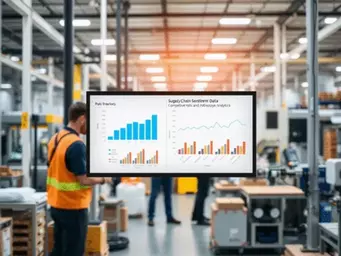
The Global Manufacturing Confidence Index serves as a critical tool in guiding investment strategies and operational decisions within the manufacturing sector. As industry dynamics continue to evolve, understanding the factors that shape this index is essential for stakeholders. Ready to navigate these complexities?
What You Will Learn
- The Global Manufacturing Confidence Index aggregates various economic indicators to reflect manufacturing sentiment globally.
- Understanding this index helps identify investment opportunities and risks within the manufacturing sector.
- Key economic indicators like GDP growth, inflation rates, and employment figures significantly influence the index.
- Monitoring confidence levels allows businesses to adjust strategies, ensuring alignment with market demands and sentiments.
- Supply chain resilience is vital for economic stability and can directly impact manufacturing confidence.
- Engaging with the confidence index can enhance strategic growth and operational adaptability in a rapidly changing landscape.
Key Drivers of Global Manufacturing Confidence
The Global Manufacturing Confidence Index is shaped by a dynamic interplay of factors. Below, we highlight the core elements that influence manufacturer sentiment and outlook.
Economic Indicators
- •GDP Growth
- •Inflation Rates
- •Employment Figures
Market & Supply Factors
- •Labor Markets
- •Trade Policies
- •Supply Chain Resilience
Technological Impact
- •Automation
- •Industry 4.0
- •AI-Driven Analytics
Strategic Planning Priorities
- •Investment Strategies
- •Operational Adjustments
- •Proactive Planning
Understanding the Global Manufacturing Confidence Index
In today’s fast-paced manufacturing landscape, understanding the Global Manufacturing Confidence Index is crucial. This index serves as a barometer for gauging the sentiment and outlook of manufacturers worldwide. By analyzing various economic indicators and the sentiment of key players in the industry, we can derive insights that inform better decision-making. Have you ever wondered how this index directly influences your investment strategies? Let's dive in!
What is the Global Manufacturing Confidence Index?
The Global Manufacturing Confidence Index is a composite measure that aggregates various inputs to reflect the overall confidence level within the manufacturing sector. It evaluates factors such as production levels, order books, and employment trends across multiple regions. This index provides stakeholders with a snapshot of current manufacturing sentiment, enabling them to forecast potential market movements.
- Measures sentiment across different manufacturing sectors.
- Incorporates economic indicators like employment rates and production output.
- Guides decision-making for investments and operational strategies.
By leveraging this index, manufacturers and investors can make informed choices regarding resource allocation and strategic planning. At Confident Industry, we believe that being aware of these insights allows our clients to navigate the complexities of the market with confidence!
Importance of the Confidence Index in Industrial Investment Decisions
The Confidence Index plays a vital role in shaping industrial investment decisions. It serves as a predictive tool that helps stakeholders assess the viability of projects and investments. Understanding whether the index is trending upwards or downwards can significantly influence a company’s approach to capital allocation. Are you prepared to react to these shifts?
- Identifies emerging opportunities within the manufacturing sector.
- Highlights potential risks based on current sentiment.
- Guides strategic planning and operational adjustments.
For instance, a rising confidence level might signal a good time to invest in new technology or expand production capacity. Conversely, a downturn might prompt manufacturers to reconsider their strategies. It's all about making informed decisions that pave the way for sustainable growth.
How Economic Indicators Shape the Global Manufacturing Confidence Index
Economic indicators are the backbone of the Global Manufacturing Confidence Index. They encompass a wide range of metrics that gauge the health of the manufacturing sector. These indicators include GDP growth, inflation rates, and employment figures, all of which impact manufacturers' sentiments and expectations.
- GDP growth provides insights into overall economic health.
- Inflation rates affect production costs and pricing strategies.
- Employment figures indicate workforce availability and wage trends.
As these indicators fluctuate, they inevitably influence the confidence index, thereby shaping industrial strategies. Understanding these dynamics can empower decision-makers, like those at Confident Industry, to anticipate market trends and act accordingly. What indicators do you monitor to stay ahead in this ever-evolving landscape?
Interactive Poll: Your Thoughts Matter!
As we explore the Global Manufacturing Confidence Index and its impact on investment decisions, we want to know your perspective! How often do you consider the Confidence Index when making investment choices?
FAQs about the Global Manufacturing Confidence Index
What is the Global Manufacturing Confidence Index?
The Global Manufacturing Confidence Index is a composite measure that aggregates various inputs, such as production levels, order books, and employment trends, to reflect the overall confidence level within the manufacturing sector worldwide. It provides a snapshot of current sentiment and helps forecast market movements.
Why is the Confidence Index important for industrial investment decisions?
The Confidence Index serves as a predictive tool for assessing project viability and investment opportunities. An upward trend can signal a good time for expansion or technology investment, while a downturn might prompt strategic reevaluation, guiding informed capital allocation for sustainable growth.
What economic indicators influence the Global Manufacturing Confidence Index?
Key economic indicators include GDP growth (overall economic health), inflation rates (production costs and pricing), and employment figures (workforce availability and wage trends). Fluctuations in these metrics directly impact manufacturers' sentiments and expectations, thus shaping the index.
How can businesses use the Confidence Index to their advantage?
Businesses can monitor shifts in confidence levels to adjust investment strategies, utilize the data to forecast market demands and align production, and engage in continuous learning and adaptation based on emerging trends. This proactive approach enhances resilience and strategic growth.
What role does supply chain resilience play in manufacturing confidence and economic stability?
Supply chain resilience is crucial for economic stability and directly impacts manufacturing confidence. Key factors include diversifying suppliers, integrating technology for responsiveness, and implementing robust risk management strategies. A resilient supply chain helps businesses navigate disruptions and fosters a confident manufacturing environment.
Summarizing Key Takeaways on the Global Manufacturing Confidence Index
As we delve into the intricacies of the Global Manufacturing Confidence Index, it's essential to recognize the key trends and drivers that shape this critical indicator. Understanding these elements not only aids in predicting market shifts but also empowers stakeholders to make informed decisions regarding their investments.
Here are some of the main trends and drivers impacting the index:
- Economic conditions: Fluctuations in GDP and inflation rates play a significant role.
- Labor markets: Employment rates and workforce availability influence production capacities.
- Technological advancements: Innovations can enhance productivity and reshape manufacturing processes.
- Trade policies: Tariffs and international agreements can either bolster or inhibit manufacturing confidence.
By understanding these trends, we can better navigate the complexities of manufacturing investments and build strategies that align with market sentiment.
The Importance of Understanding Manufacturing Confidence for Future Investments
Manufacturing confidence is not just a number; it’s a vital indicator of the sector’s health and future potential. A strong confidence index often correlates with increased spending on capital projects, while low confidence can lead to hesitant investments and slowed growth.
For businesses, recognizing the importance of this index is crucial. By monitoring manufacturing confidence, companies can:
- Identify optimal investment opportunities during periods of growth.
- Avoid potential pitfalls during downturns by adjusting their strategies.
- Align their operational capabilities with market demands and sentiments.
At Confident Industry, we focus on providing actionable insights that enable manufacturers and investors to harness this confidence effectively, paving the way for strategic and informed decision-making.
Evaluating the Role of Supply Chain Resilience in Economic Stability
In today's interconnected world, supply chain resilience has become a cornerstone of economic stability. A robust supply chain not only supports manufacturing but also boosts overall confidence in the industrial sector. With disruptions becoming increasingly common, evaluating how resilient your supply chain is can provide insights into your business's vulnerability and adaptability.
Key factors that contribute to supply chain resilience include:
- Diversity of suppliers: Relying on multiple sources can mitigate risks.
- Technology integration: Leveraging automation and data analytics enhances responsiveness.
- Risk management strategies: Proactively identifying potential disruptions allows for swift action.
Understanding and enhancing supply chain resilience is essential for fostering a confident manufacturing environment. It ensures that businesses are well-equipped to navigate the challenges ahead, ultimately supporting economic stability.
Engaging with the Future of Industrial Investment
As we look ahead, leveraging the Global Manufacturing Confidence Index can be a game changer for businesses aiming for strategic growth. Companies that actively engage with these insights can identify opportunities and stay ahead of market trends.
Here’s how businesses can use the confidence index to their advantage:
- Monitor shifts in confidence levels to adjust investment strategies accordingly.
- Utilize data from the index to forecast market demands and align production.
- Engage in continuous learning and adaptation by staying informed on emerging trends.
By making the confidence index a central part of their investment planning, businesses can enhance their resilience and ensure they thrive in a rapidly changing landscape.
Encouraging Proactive Planning: Preparing for Changes in the Manufacturing Landscape
In an era where change is the only constant, proactive planning is essential for manufacturing success. By anticipating shifts in the market and adjusting strategies accordingly, businesses can maintain a competitive edge.
Strategies for proactive planning include:
- Regularly analyzing manufacturing confidence trends and adjusting operations.
- Investing in workforce development to ensure skills align with new technologies.
- Building flexibility into supply chains to respond to market fluctuations swiftly.
At Confident Industry, we advocate for a forward-thinking approach. By preparing for changes in the manufacturing landscape, companies can foster resilience and drive innovation, ultimately setting themselves up for success.
Investment Opportunities in Industry 4.0 and Automation
The rise of Industry 4.0 and automation presents a wealth of investment opportunities for forward-looking manufacturers. As technology reshapes the landscape, those who embrace these changes will likely experience significant advantages.
Key areas for investment include:
- Advanced robotics to enhance operational efficiency and reduce costs.
- AI-driven analytics for better decision-making and predictive capabilities.
- IoT solutions to improve connectivity and real-time data usage.
By focusing on these cutting-edge technologies, manufacturers can not only improve their processes but also boost their confidence levels, paving the way for future growth and innovation.
Recap of Key Points
Here is a quick recap of the important points discussed in the article:
- The Global Manufacturing Confidence Index is a key indicator reflecting manufacturing sentiment and economic conditions.
- Understanding the index helps stakeholders identify investment opportunities and potential risks.
- Economic indicators such as GDP growth, inflation rates, and employment figures are critical in shaping the confidence index.
- Proactive planning and monitoring trends can enhance resilience and strategic decision-making in manufacturing.
- Investment in Industry 4.0 technologies, like automation and AI, is essential for staying competitive in the evolving market.